


Spain is one of the most desirable countries to live in, thanks to its culture, climate, and cuisine, to name but a few. Whether you want to move to Spain from the UK, retire to Spain to enjoy your golden years, or relocate from elsewhere for work or lifestyle, understanding the requirements is essential. Is residency hard to get? What visa do you need? We’ll answer these questions and more.
Legal Requirements to Move to Spain
Here are the documents and procedures to follow to live legally in Spain:
- Obtain a residency permit
- Rent a home
- Register with Social Security
- Get an NIE (Foreigner Identity Number)
- Get registered on the Electoral Roll
- Get a TIE (Foreigner Identity Card)
- Register as self-employed if you’re going to work as a freelancer
1. Apply for Your Residency Permit
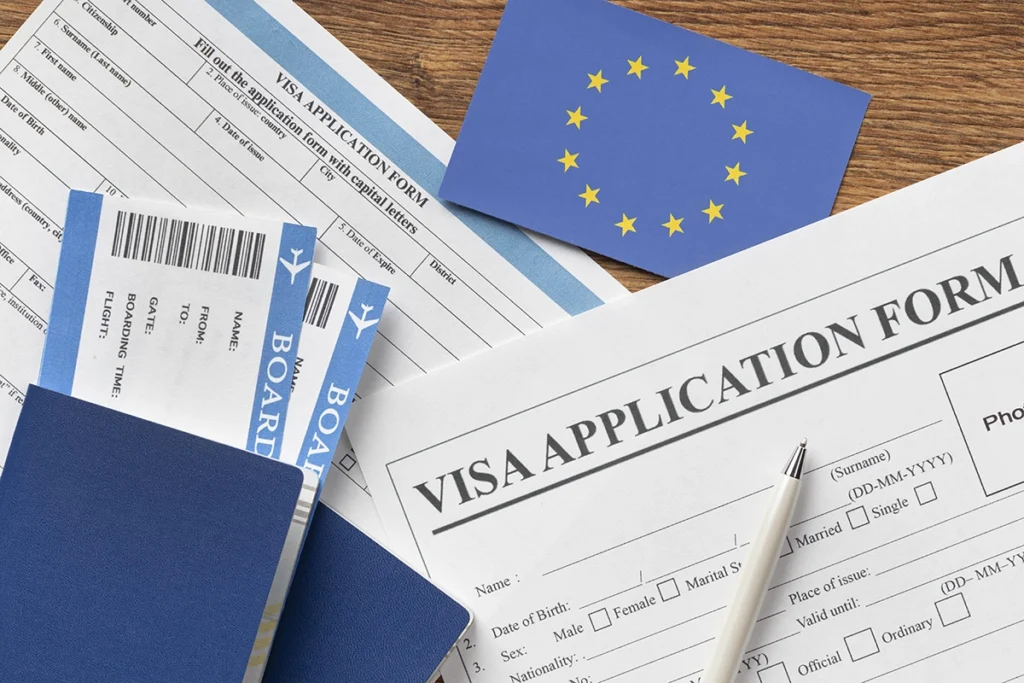
This is the first step—and perhaps the most difficult, as it depends on multiple factors to get residency in Spain. When it comes to duration, the residency may be temporary or permanent, and there are different types available.
If you’re planning to retire to Spain, the Non-Lucrative Visa Spain is an excellent option for those with sufficient passive income who don’t intend to work locally. Many British nationals looking to retire to Spain from UK find this visa ideal for their needs.
For remote workers and freelancers who want to move to Spain while continuing their international careers, the Digital Nomad Visa Spain allows you to live and work legally in the country without a Spanish employer.
There are also options for students, entrepreneurs, and highly qualified professionals. You can opt for any of them if you meet the requirements—but whichever you choose, you must complete this process in order to reside legally in the country. Expert Spanish Residency Visa Services can help navigate these options and ensure you choose the right path for your situation.
2. Check Rental Requirements

With your residency permit in hand, you’re ready to choose a place to rent. However, finding a place in Spain isn’t easy—and to rent a place safely, you’ll need several documents throughout the process.
Madrid and Barcelona are among the most expensive areas to rent in Spain, with rentals starting around €850, while the most affordable apartments in the country are in Ourense (starting at €350) and Castellón (starting at €400).
3. Register for Social Security
Social Security is how you access most of the benefits of living in Spain: free healthcare, pensions, etc. There are different ways of registering according to your particular situation in the country, so take a good look at your case and bear it in mind before emigrating to Spain.
Whether you move to Spain from UK as a retiree or digital nomad, understanding the Social Security system is crucial for accessing healthcare and other benefits.
4. Get an NIE
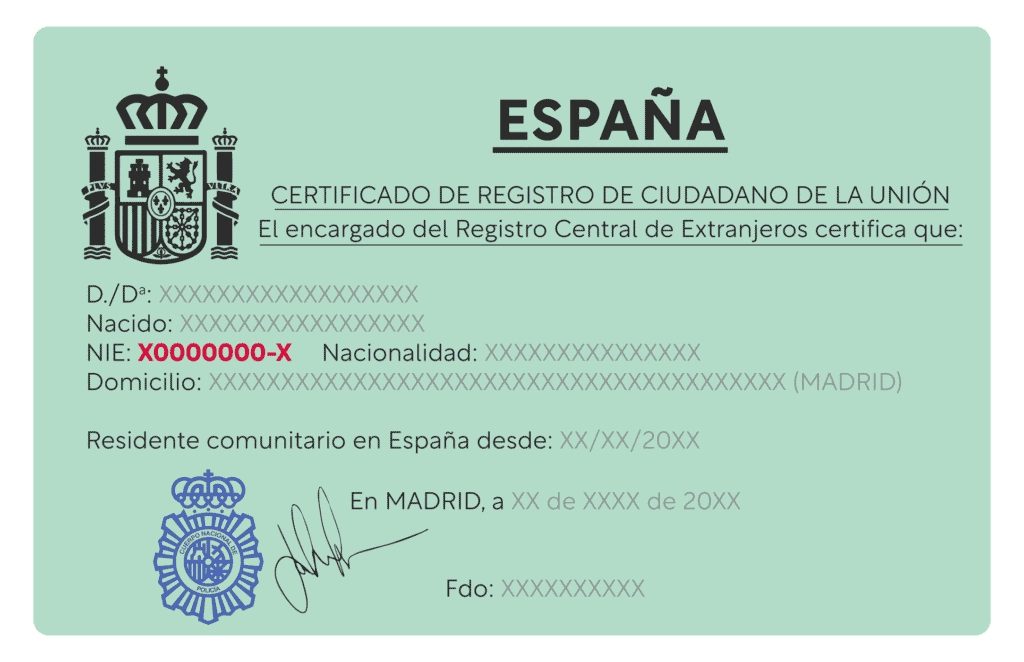
The NIE (Foreigner Identity Number) is the number identifying any foreigner residing in Spain. It is equivalent to the DNI (National Identity Document) for Spanish nationals.
It’s a number that you’ll be asked for to complete most formalities in the country, from opening a bank account to taking out medical insurance, so make sure it’s on your list of priorities when you move to Spain.
5. Register on the Electoral Roll
If you’re not on the Electoral Roll, you don’t exist (at least not to the Council). This register keeps tabs on all the residents in an area, in addition to verifying the length of residence of each individual in Spain.
Failure to register could result in a fine of up to €150, so keep this procedure in mind—both for your sake and the sake of your wallet.
6. Get a TIE
The TIE (Foreigner Identity Card) is the document verifying that you have permission to legally stay in Spain. It shows your photo, your details, and the type of residency that you have in the country.
Although many people get them confused, the TIE is not the same as the NIE. The TIE verifies that you are a legal resident in Spain, while the NIE is just an identification number at the administrative level.
7. Understand the Cost of Living
Most people worry about getting to Spain but not about the costs, which are essential for making ends meet. Prices vary a lot depending on the area, mostly in terms of public transport and accommodation, but other expenses are more standard.
To give you a ballpark figure, your new life in Spain could cost you between €820 and €1,100 per month, per person. This is particularly important if you’re applying for a Non-Lucrative Visa Spain, as you’ll need to prove sufficient financial means to support yourself. Those planning to retire to Spain should budget carefully to ensure they meet the income requirements.
8. Get to Know the Special Procedures for Self-Employment
If you’re an entrepreneur at heart, you should know that there are different procedures to register as self-employed in Spain. Like everything, there are advantages and disadvantages compared to working for a company.
For those with a Digital Nomad Visa Spain, understanding self-employment regulations is crucial if you’re working as a freelancer for international clients. Being a foreigner, you’ll have to meet certain criteria, such as not residing irregularly in the country, not having a criminal record, and having sufficient financial resources for your upkeep and accommodation, among other things.
9. Learn About the Different Types of Taxes
If you thought you’d see the end of taxes, we’re sorry to disappoint you: They’ll be part of your journey in emigrating to Spain too. Based on your situation in the country, you’ll have to pay some taxes but not others.
Whether you retire to Spain from UK or arrive on a digital nomad visa, understanding the tax system is essential. Most types of taxes are paid by everyone, but other taxes relate to special situations (self-employed people, for example). Before landing, it’s worth starting to get to know them and doing the math.
10. Get to Know the Different Types of Work Contracts
Spain is a country with many employment opportunities and different ways to earn a living, which translates into different contract models. It’s a good idea to take a look at them and get to know which fits your situation best.
The most important thing is to understand that you have the same labor rights and obligations as any Spanish national, beyond the fact that you have to present documentation related to your residency to be able to apply for a job. Note that if you retire to Spain on a Non-Lucrative Visa, you won’t be permitted to work locally, though the Digital Nomad Visa allows remote work for non-Spanish companies.
Opening a Bank Account in Spain
If you’re planning to move to Spain, opening a bank account will almost certainly make your life easier once you get there. Even if you don’t need it for day-to-day expenses, you’ll quickly realize that a Spanish bank account is a must for paying taxes and bills, receiving your paycheck (if applicable), or buying real estate in Spain.
Need Help With Your Spanish Residency Application?
Whether you’re looking to move to Spain from UK, retire to Spain, or obtain a Digital Nomad Visa Spain, Expert Spanish Residency Visa Services can guide you through every step of the process. From choosing the right visa type (such as the Non-Lucrative Visa Spain) to completing your application successfully, professional guidance ensures a smooth transition to your new life in Spain.
GET IN TOUCH
Request a Consultation
What are the essential legal requirements to live in Spain?
To legally live in Spain, you’ll need to complete several important steps. First and foremost, you must obtain a Spain residence permit that matches your circumstances, whether that’s a Non-Lucrative Visa Spain if you plan to retire to Spain, or a Digital Nomad Visa Spain if you’re working remotely. Beyond your visa, you’ll need to secure an NIE (Foreigner Identity Number), register with Social Security, obtain a TIE (Foreigner Identity Card), and register on the Electoral Roll. For those looking to move to Spain from UK, these requirements have become even more critical post-Brexit. Expert Spanish Residency Visa Services can guide you through each step to ensure you meet all Spain residency requirements and avoid costly mistakes.
How to get residency in Spain if I want to retire there from the UK?
If you’re planning to retire to Spain from UK, the Non-Lucrative Visa Spain is typically your best option. This Spain residency visa is specifically designed for individuals who have sufficient passive income or savings and don’t intend to work in Spain. To qualify, you’ll need to demonstrate financial means of approximately €28,800 annually (or €7,200 per dependent), comprehensive health insurance, a clean criminal record, and proof of accommodation. The application process involves submitting documents to the Spanish Consulate in your home country. Many British retirees find the Spain visa requirements complex, which is why professional assistance from Expert Spanish Residency Visa Services can make the difference between approval and rejection. Once granted, this visa allows you to retire to Spain and enjoy everything the country has to offer.
Can I work remotely while living in Spain on a Digital Nomad Visa?
Absolutely! The Digital Nomad Visa Spain was specifically created for remote workers, freelancers, and digital professionals who want to move to Spain while continuing to work for non-Spanish employers or clients. To qualify for this Spain residency visa, you must prove a monthly income of at least €2,334 (or the Spanish minimum wage equivalent), have been working remotely for at least one year, and demonstrate that at least 80% of your work is for companies outside Spain. This visa is perfect for those who move to Spain from the UK or elsewhere and want to maintain their international career while enjoying Spanish life. Understanding the Spain immigration rules for digital nomads can be tricky, so seeking professional guidance ensures you meet all requirements correctly.
What’s the cost of living in Spain, and does it affect my visa application?
The cost of living in Spain typically ranges between €820 and €1,100 per month per person, though this varies significantly by region. Madrid and Barcelona are the most expensive, with rentals starting around €850, while cities like Ourense and Castellón offer more affordable options starting at €350-€400. These costs are crucial because Spanish residency requirements include proving sufficient financial means to support yourself. For a Non-Lucrative Visa in Spain, you must demonstrate that you can cover your expenses without working. For those planning to retire to Spain from the UK, it’s essential to budget carefully and prove you have adequate income or savings. The Spain visa requirements are strict about financial solvency, so accurate budgeting before you move to Spain is vital for a successful application.
What’s the difference between an NIE and a TIE, and do I need both?
Yes, you’ll need both documents when you move to Spain, but they serve different purposes. The NIE (Foreigner Identity Number) is your tax identification number in Spain—similar to a National Insurance number in the UK. You’ll need it for virtually everything: opening a bank account, registering for utilities, buying property, and more. The TIE (Foreigner Identity Card), on the other hand, is your physical residence card that proves you have legal permission to live in Spain. It displays your photo, personal details, and the type of Spanish residency you hold (whether that’s a Digital Nomad Visa Spain, Non-Lucrative Visa Spain, or another category). Think of the NIE as your identification number and the TIE as your residence permit card. Both are essential components of achieving legal Spanish residency, and Expert Spanish Residency Visa Services can help you obtain them correctly.
How long does the Spanish residency application process take?
The timeline to obtain your Spain residence permit varies depending on which Spain residency visa you’re applying for and your specific circumstances. Generally, the initial visa application at the Spanish Consulate takes 1-3 months for processing. Once you arrive in Spain, you’ll need to apply for your TIE card within 30 days, which takes another 4-6 weeks. For those looking to move to Spain from UK, the process can feel overwhelming, especially navigating post-Brexit Spain immigration procedures. The entire journey from starting your application to holding your residence card typically takes 3-6 months. Delays often occur due to incomplete documentation or errors in the application, which is why many people seeking how to get residency in Spain turn to professional services. Working with Expert Spanish Residency Visa Services can significantly reduce processing times by ensuring everything is correct from the start.
Can I register as self-employed in Spain, and what visa do I need?
Yes, you can register as self-employed (autónomo) in Spain, but your visa type matters significantly. If you’re on a Non-Lucrative Visa Spain to retire to Spain, you cannot work in any capacity—that visa specifically prohibits employment. However, if you have a Digital Nomad Visa Spain, you can work as a freelancer for international clients (with at least 80% of income from outside Spain). To register as self-employed, you must not have a criminal record, must reside legally in the country, and have sufficient financial resources. You’ll also need to understand Spanish tax obligations, as self-employed individuals pay different taxes than employees. The Spain visa requirements for self-employment can be complex, so if you’re planning to move to Spain and work freelance, ensure you choose the correct visa category and understand all Spain residency requirements related to self-employment.
What should I do first if I’m serious about moving to Spain?
If you’re serious about making the move to Spain, your first step should be determining which Spain residency visa best suits your situation. Are you planning to retire to Spain from the UK with passive income? The Non-Lucrative Visa Spain is likely your path. Are you a remote worker? The Digital Nomad Visa Spain offers the flexibility you need. Are you investing in Spanish property? Residency by investment might be ideal. Once you’ve identified your visa route, start gathering documentation: proof of income, health insurance, criminal record certificates, and other materials needed to meet Spain residency requirements. Research the cost of living in your preferred region and ensure you meet the financial thresholds. For those wondering how to get residency in Spain successfully, the most important advice is: don’t go it alone. Expert Spanish Residency Visa Services can assess your situation, recommend the best visa option, and handle your entire application professionally, dramatically increasing your chances of approval and helping you live in Spain with confidence.


