


The Spain Non-Lucrative Visa is your gateway to living the Mediterranean dream without working. Perfect for UK retirees, early retirees, and financially independent individuals, this visa allows you to enjoy Spain’s sunshine, culture, and high quality of life legally for extended periods.
Since Brexit ended unlimited EU access for British citizens, the non-lucrative visa has become the most popular pathway for those wanting to make Spain their home. With straightforward financial requirements (€28,800 annually for 2026), no property investment needed, and a clear path to permanent residency after five years, this visa offers freedom to experience authentic Spanish living at your own pace.
MyMoveSpain specialises in Non-Lucrative Visa applications, with a 95% approval rate across 500+ applications. Our immigration experts handle every step from document preparation to residence card collectionensuring your transition to Spanish life is seamless and stress-free.
Book Your Free Visa Assessment Now
What Is the Spain Non-Lucrative Visa?
The Spain Non-Lucrative Visa (officially Visado de Residencia No Lucrativa) is a residency permit for non-EU nationals who wish to live in Spain for extended periods without engaging in any work or business activity.
Who Is This Visa For?
UK Retirees, British state pensioners and private pension holders who want to enjoy Spain’s climate and lifestyle. With an average UK state pension of £11,500 annually, many retirees easily meet the €28,800 requirement.
Early Retirees: Those who’ve achieved financial independence before traditional retirement age and want to experience Spain without work commitments.
Financially Independent Individuals: People living on passive income from investments, rental properties, dividends, annuities, or substantial savings who don’t need employment.
Property Owners UK citizens who own Spanish property but are now restricted to 90 days per 180-day period under post-Brexit Schengen rules. The non-lucrative visa allows unlimited time at your Spanish home.
Gap Year Adults: Individuals taking career breaks, sabbaticals, or extended time off who want to immerse
themselves in Spanish culture.
Key Benefits
- Live in Spain indefinitely while your visa remains valid
- Travel freely throughout Schengen Area for tourism/business (up to 90 days per 180 days in other countries)
- Bring your family, including spouse, dependent children, and sometimes dependent parents
- Access Spanish healthcare after registering as a resident
- Path to permanent residency after 5 years of continuous residence
- Spanish citizenship option after 10 years of legal residence
- No property investment required unlike discontinued Golden Visa program
- Renewable visa with clear, predictable renewal criteria
What You Cannot Do
- Work in Spain (no employment or self-employment)
- Run a business or provide services
- Earn active income from Spanish sources
- Receive unemployment benefits
Check Your Eligibility – Free Assessment
Non-Lucrative Visa Spain Requirements 2026

Core Eligibility Requirements
1. Financial Independence You must prove sufficient passive income or savings to support yourself and any dependents without working in Spain.
2. Non-EU/EEA Nationality This visa is for citizens outside the European Union and European Economic Area. EU/EEA citizens have different rights under freedom of movement.
3. Clean Criminal Record No criminal convictions in Spain or any country of residence during the past 5 years.
4. Health Coverage: Private health insurance that covers you fully in Spain with no co-payments.
5. No Irregular Stay: Cannot currently be in Spain irregularly (overstayed tourist visa, etc.). Must apply from the country of legal residence.
6. Not Inadmissible Must not appear as inadmissible in Spain’s immigration systems or Schengen Information System.
7. Good Health Medical certificate confirming you don’t suffer from diseases that could pose public health risks under International Health Regulations.
Financial Requirement Details
Based on Spain’s IPREM (Indicador Público de Renta de Efectos Múltiples)
2026 Requirements:
- Main applicant: €28,800 per year (€2,400 per month)
- This represents 400% of the 2026 IPREM
- Each dependent: €7,200 per year (€600 per month)
- This represents 100% of the IPREM per dependent
Family Calculations:
- Single applicant: €28,800/year
- Couple (no children): €36,000/year
- Couple + 1 child: €43,200/year
- Couple + 2 children: €50,400/year
Acceptable Income Sources
✅ Passive Income Only:
State Pensions
- UK state pension
- Occupational pensions
- Government pensions
Private Pensions
- Personal pension plans
- Retirement annuities
- Pension drawdowns
Investment Income
- Dividends from stocks/shares
- Bond interest
- Capital gains
- Investment portfolio distributions
Rental Income
- Property rental payments
- Real estate income
- Buy-to-let income
Trust Distributions
- Family trust income
- Beneficiary payments
- Settlement income
Savings
- Sufficient bank balance for sustainable drawdown
- Must demonstrate accessibility
- Typically require higher amounts (€35,000-€40,000+)
Life Insurance Annuities
- Regular annuity payments
- Life settlement income
❌ Not Accepted:
- Employment salary
- Self-employment income
- Freelance work
- Business profits
- Active trading income
- Cryptocurrency mining (considered active)
Dependency Requirements
Who Qualifies as a Dependent:
Spouses/Partners:
- Legally married spouse
- Registered civil partner (pareja de hecho)
- De facto partner (proof of genuine relationship required)
Children:
- Biological or adopted children under 18
- Children over 18 if disabled or unable to support themselves
- Must be financially dependent
- Cannot have formed their own family unit
Dependent Parents (Rare):
- Elderly parents requiring care
- Must prove financial dependency
- Medical documentation of care needs
- More difficult to include
Complete Requirements Checklist PDF
Income Requirements: €28,800 Minimum Explained

Understanding Spain’s IPREM System
The IPREM (Indicador Público de Renta de Efectos Múltiples) is Spain’s public income indicator used as a reference for social benefits, grants, and visa income requirements.
2026 IPREM Values:
- Monthly: €600
- Annual: €7,200
Non-Lucrative Visa Calculation:
- Main applicant: 400% of IPREM = €28,800/year
- Each dependent: 100% of IPREM = €7,200/year
Why €28,800?
This amount ensures you can:
- Cover living expenses without state assistance
- Maintain a reasonable quality of life
- Support yourself for the entire visa validity
- Not become a burden on Spanish social services
Regional Cost of Living Context:
- Madrid/Barcelona: €1,500-€2,000/month comfortable living
- Valencia/Seville: €1,200-€1,600/month comfortable living
- Smaller cities: €1,000-€1,400/month comfortable living
- €2,400/month (€28,800/year) provides a buffer above basic needs
Proving Your Income
Bank Statements (Primary Evidence):
- Last 6-12 months showing consistent deposits
- Regular pension payments visible
- Investment income credits
- Rental income receipts
- Must show €28,800+ annual total
Pension Statements:
- UK DWP state pension statement
- Private pension provider statements
- Annual pension income certificates
- Projected pension amounts
Investment Documentation:
- Portfolio statements showing value and distributions
- Dividend payment history
- Bond interest statements
- Tax returns showing investment income
Property Rental Agreements:
- Tenancy agreements for properties you own
- Rent payment records
- Property management statements
- Tax returns showing rental income
Savings Evidence (If Using Drawdown Method):
- Bank account balances
- Fixed deposit certificates
- ISA statements
- Accessible liquid assets
- Typically require €35,000-€40,000+ to demonstrate sustainability
Important Financial Documentation Rules
Consistency Is Critical: Sudden large deposits raise red flags. Immigration authorities want to see:
- Regular, predictable income patterns
- Sustainable long-term sources
- Stable financial situation over time
- Not one-off transfers made just before the application
Currency Considerations:
- UK bank statements in GBP are acceptable
- Pension amounts in GBP are acceptable
- Must meet €28,800 when converted at the time of application
- Exchange rate fluctuations can affect eligibility
Joint Income: Can combine income from:
- Both spouses’ pensions
- Multiple investment sources
- Various passive income streams
- Must total €28,800+ for the main applicant plus dependents
Verify Your Income Eligibility – Free Check
Non-Lucrative Visa Documents Checklist

Essential Documents (All Applicants)
1. Valid Passport
- Minimum 12 months validity remaining beyond intended stay
- At least 2 completely blank visa pages
- Issued within the last 10 years
- Undamaged with a clear biographical page
- Colour photocopies of all used pages
2. Completed Application Forms
National Visa Application Form:
- One per applicant (including children)
- Can be filled electronically or by hand in CAPITAL LETTERS
- All sections completed (write “N/A” if not applicable)
- Signed in original ink
Form EX-01 (Residence Permit Application):
- Spanish residence permit application
- One per applicant
- All sections completed accurately
- Signed by applicant (parent signs for minors)
3. Passport Photographs
- 2 recent colour photos per applicant
- Standard passport size (35mm x 45mm)
- White background
- Facing forward, neutral expression
- No glasses (unless medically required)
- Taken within the last 6 months
4. Criminal Record Certificate
From Each Country of Residence:
- Where you’ve lived 6+ months in the past 5 years
- Issued within 90 days of application
- UK applicants: ACRO Police Certificate (£45)
- Must show “no trace” or list any convictions
Must be:
- Apostilled (Hague Convention stamp)
- Officially translated into Spanish by a sworn translator
- Original certificate (not photocopy)
5. Medical Certificate
Requirements:
- Issued by a licensed physician within 90 days
- Confirms no diseases under the International Health Regulations
- Specific wording required (template available from consulates)
- Doctor’s signature and official stamp
- Translated to Spanish if not originally in Spanish
6. Proof of Financial Means
Complete Documentation:
Bank Statements:
- Last 6-12 months from all accounts
- Show regular deposits totaling €28,800+/year
- Checking, savings, and investment accounts
- Originals or certified bank copies
- Do NOT need Spanish translation
Pension Documentation:
- UK State Pension statement
- Private pension statements
- Annual pension forecast letters
- Proof of amount and regularity
Investment Proof:
- Portfolio statements
- Dividend payment history
- Bond certificates
- Tax returns showing investment income
Rental Income:
- Property rental contracts
- Rent payment evidence
- Property ownership documents
- Tax returns with rental income declared
Savings (If Applicable):
- Bank balance certificates
- Fixed deposit statements
- Accessible liquid assets documentation
7. Private Health Insurance Policy
Critical Specifications:
- Full coverage throughout the entire of Spain
- Minimum €30,000 coverage per person
- Zero co-payments (this is mandatory)
- No waiting periods
- No pre-existing condition exclusions
- Valid for entire visa duration (minimum 1 year)
- From an insurer authorised to operate in Spain
Accepted Insurers:
- Sanitas
- Asisa
- DKV
- Adeslas
- Cigna Global (Spain policy)
- Allianz Spain
Policy Must Include:
- Full name as in passport
- Coverage start date
- Coverage amount (€30,000+)
- Statement of zero co-payments
- Company authorization number in Spain
8. Proof of Accommodation in Spain
Options:
If You Own Property:
- Property deed (escritura)
- Proof of ownership
- Recent utility bill
If Renting:
- Long-term rental contract (minimum 1 year)
- Landlord’s property ownership proof
- Landlord’s ID copy
If Staying with Family/Friends:
- Host’s letter of invitation
- Host’s property ownership or rental contract
- Host’s residence certificate (empadronamiento)
- Host’s ID/passport copy
9. Proof of Consular Jurisdiction
Evidence You Reside in the Consulate’s Area:
- UK driving license
- Recent utility bills (within 3 months)
- Council tax statement
- Bank statements showing a UK address
- Electoral register confirmation
London Consulate Covers: Southern England, Wales
Manchester Consulate Covers: Northern England, Midlands
Edinburgh Consulate Covers: Scotland, Northern Ireland
10. Application Fees Payment
Fee Amounts:
- Visa application fee: €80-€150 (varies by consulate)
- Residence permit fee (Tasa 790-052): €15-€20
- TIE card (after arrival): €10-€15
Payment Method:
- Money order made payable to “Consulate General of Spain [Location]”
- Most consulates do NOT accept credit cards or personal checks
- Exact amount required
- Non-refundable, even if denied
Additional Documents for Family Members
For Spouses/Partners:
- Marriage certificate (apostilled, translated)
- Pareja de hecho certificate (civil partnership)
- Proof of relationship for de facto partners (joint bank accounts, photos, correspondence)
For Children:
- Birth certificates (apostilled, translated)
- Custody documents (if applicable)
- Both parents’ consent (if one parent is not applying)
- Proof of financial dependency
For Dependent Parents:
- Birth certificate showing the relationship
- Medical evidence of dependency
- Proof of financial support from the applicant
- Documentation of care requirements
Document Translation & Apostille Requirements
What Needs Translation:
- All documents not in Spanish
- Criminal record certificates
- Medical certificates
- Birth/marriage certificates
- Any supporting documents
Who Can Translate:
- Sworn translators (traductor jurado) in Spain
- Certified translators in your country recognised by the Spanish authorities
- NOT Google Translate or personal translations
- Cost: €30-€50 per document typically
What Needs Apostille:
- Documents from Hague Convention countries
- Criminal record certificates
- Birth/marriage certificates
- Medical certificates (sometimes)
- Obtained from the designated authority in the issuing country (UK: Foreign, Commonwealth & Development Office)
Download Detailed Document Checklist with Specifications
Health Insurance Requirements for Non-Lucrative Visa

Mandatory Health Insurance Specifications
Private health insurance is mandatory for the Spanish Non-Lucrative Visa and must meet very specific criteria that standard travel insurance policies typically don’t satisfy.
Required Coverage Specifications
Minimum Coverage Amount:
- €30,000 per person minimum
- Higher coverage (€50,000-€100,000) better but not required
- Applies to each applicant (main + dependents)
Geographic Coverage:
- Must cover the entire Spain (all autonomous communities)
- Cannot be limited to specific regions
- Nationwide hospital and clinic network
- Valid in all Spanish territories
Zero Co-Payments:
- No out-of-pocket costs for covered services
- No deductibles allowed
- No percentage co-insurance (e.g., 80/20 splits)
- 100% coverage for included services
- This is a hard requirement – policies with any co-payment are rejected
No Waiting Periods:
- Immediate coverage from policy start date
- No waiting periods for any conditions
- No gradual phase-in of coverage
- Pre-existing conditions must be covered from day one
Duration:
- Valid for the entire visa validity period (minimum 1 year initial)
- Cannot expire during visa validity
- Renewable policies are acceptable if guaranteed renewal
Authorised Insurer:
- The company must be authorised to operate in Spain
- Spanish insurance companies preferred
- International insurers must have Spanish authorisation
- Policy must state Spanish authorisation number
Comprehensive Coverage Required
Must Include:
- Hospitalisation (emergency and planned)
- Specialist consultations
- General practitioner visits
- Diagnostic tests (blood work, imaging, etc.)
- Emergency treatment
- Prescription medications
- Maternity care (if applicable)
- Mental health services
- Rehabilitation services
Recommended Insurance Providers
Spanish Insurance Companies:
- Most popular with expats
- Extensive hospital network
- English-speaking customer service
- Online management portal
- Cost: €50-€120/month (depending on age)
- Website: https://www.asssa.es
Sanitas
- Most popular with expats
- Extensive hospital network
- English-speaking customer service
- Online management portal
- Cost: €60-€120/month (depending on age)
- Website: sanitas.es
Asisa
- Comprehensive coverage
- Wide clinic and hospital network
- Good reputation with consulates
- Multi-language support
- Cost: €50-€110/month
DKV
- International coverage option
- Multilingual service
- Strong private hospital network
- Digital health services
- Cost: €55-€130/month
Adeslas
- Extensive Spanish network
- Well-established provider
- Dental coverage options
- Telemedicine included
- Cost: €50-€115/month
International Providers (Spain-Specific Policies):
Cigna Global
- International expat insurer
- Spain-compliant policies available
- English customer service
- Global coverage options
- Cost: €80-€150/month
Allianz Care Spain
- Meets all visa requirements
- English-language support
- Direct billing at many facilities
- Cost: €70-€140/month
April International
- Specialised expat insurance
- Spain visa-compliant plans
- No age limits
- Cost: €65-€135/month
Cost Factors
Premium Variables:
- Age: Older applicants pay more (50+ significantly higher)
- Coverage level: Basic vs comprehensive plans
- Deductibles: Higher deductible = lower premium (but zero co-pay still required for covered services after deductible)
- Network: Broader network = higher cost
- Family policies: Discounts for multiple family members
Annual Cost Estimates:
- Age 30-40: €600-€1,000/year
- Age 40-50: €800-€1,300/year
- Age 50-60: €1,000-€1,600/year
- Age 60+: €1,200-€2,000+/year
Common Insurance Mistakes (Cause 20% of Refusals)
❌ Using Travel Insurance: Standard travel insurance (even annual policies) doesn’t meet requirements
- Usually has co-payments
- Limited coverage amounts
- Not authorised in Spain
❌ UK NHS or EHIC/GHIC: NOT accepted for visa applications
- The NHS doesn’t cover outside the UK
- EHIC no longer valid for UK citizens post-Brexit
- GHIC (new card) insufficient for visa
❌ Policies with Co-Payments: Even small co-payments (€10 per visit) disqualify
- Must be 100% coverage with zero patient cost
- “Low co-payment” still rejected
❌ Insufficient Coverage: Policies under €30,000 automatic rejection
- Check the policy certificate states the minimum
- Per-incident limits must also be adequate
❌ Unauthorised Insurers: The company must have Spanish authorisation
- Check the insurer’s Spanish registration
- International companies need a Spain-specific policy
❌ Waiting Periods: Policies with delayed coverage rejected
- Immediate full coverage required
- No phased implementation
Obtaining Compliant Insurance
Timeline:
- Purchase 2-4 weeks before consulate appointment
- Allows time to receive policy documents
- Gives buffer to switch if issues arise
Documents Needed from Insurer:
- Full policy certificate
- Coverage amount statement (€30,000+)
- Zero co-payment confirmation
- Spanish authorisation number
- Applicant’s name as in passport
- Coverage dates (must cover visa period)
MyMoveSpain Partners: We work with leading Spanish insurers to secure:
- Visa-compliant policies guaranteed
- Competitive rates
- English-language support
- Fast policy issuance
- Consulate-accepted documentation
Get a Visa-Compliant Insurance Quote – Free Comparison
Step-by-Step Application Process
Applying for a Spanish Non-Lucrative Visa involves a structured process that typically takes between three and six months from initial preparation to visa approval. Understanding each stage helps ensure your application progresses smoothly without unnecessary delays.
Stage 1: Document Gathering (4-8 weeks)
Before approaching the Spanish Consulate, you’ll need to compile all required documentation. Start with items that take the longest to obtain, namely police certificates and medical reports, as these have validity windows that must align with your application date.
Request your ACRO police certificate immediately, as processing takes approximately four weeks. Simultaneously, book a medical examination with a registered practitioner who can certify you’re free from diseases that pose a public health risk under Spain’s International Health Regulations.
Financial documentation requires three months of bank statements showing consistent income or savings. If relying on investments or pensions, gather the most recent statements and obtain official confirmation letters from providers.
Stage 2: Document Preparation
Once gathered, documents must be properly formatted for Spanish authorities. This involves apostilling UK documents through the Foreign, Commonwealth and Development Office, then having them translated by a sworn translator registered with Spain’s Ministry of Foreign Affairs.
The apostille confirms document authenticity for international use, while sworn translations carry legal weight in Spain. Both steps are essential, as non-compliant documents trigger automatic rejection.
Stage 3: Consulate Application
Submit your application in person at the Spanish Consulate serving your UK residence area. London handles applicants from most of England, while Edinburgh serves Scotland, and Manchester covers northern regions.
Book your appointment through the BLS International visa application centre, which manages scheduling for Spanish consulates. Appointment availability varies seasonally, with summer months typically experiencing higher demand.
During your appointment, a consular officer reviews your documentation, takes biometric data, and may ask questions about your planned life in Spain. Be prepared to explain your financial situation, intended residence, and reasons for choosing Spain.
Stage 4: Application Processing
Following submission, the Consulate forwards your application to Spain’s Ministry of Foreign Affairs and potentially to the Delegación del Gobierno in your intended Spanish province. This inter-departmental review examines all aspects of your application against current immigration requirements.
You’ll receive notification of the decision via email or post. If approved, return to the Consulate to have the visa affixed to your passport.
Stage 5: Arrival in Spain
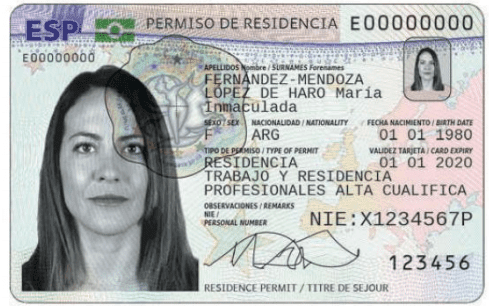
After entering Spain on your Non-Lucrative Visa, you must complete several administrative steps within 30 days. Register with your local town hall (empadronamiento) to establish official residence. Then apply for your Foreigner’s Identity Card (TIE) at the Extranjería office, which replaces your visa as proof of legal residence.
Processing Time for Non-Lucrative Visa Application
The Spanish Consulate officially quotes a processing timeframe of up to three months from application submission to decision. However, actual processing times vary considerably based on several factors.
Typical Processing Windows
Standard applications with complete, correctly formatted documentation typically receive decisions within six to eight weeks. Straightforward cases involving employed applicants with clear income documentation often process faster, sometimes within four weeks.
Complex applications face extended timelines. These include cases involving self-employment income, investment portfolios requiring verification, or applicants with previous immigration history requiring additional scrutiny. Such applications may take the full three months or occasionally longer.
Factors Affecting Processing Speed
Seasonal demand significantly impacts processing times. Applications submitted between April and July, when many applicants plan autumn relocations, experience longer waits. Winter applications typically process faster due to reduced volume.
Document quality directly affects speed. Applications requiring clarification or additional documentation face delays while consular staff await responses. Ensuring every document meets requirements before submission prevents these hold-ups.
Your intended Spanish province may influence timing, as some regional offices process referrals faster than others. Popular expat destinations like Andalucía and Valencia handle high volumes, potentially extending review periods.
Planning Your Timeline
Work backwards from your intended move date when planning your application. Allow two months for document gathering, one week for apostilles, two weeks for translations, and three months for processing. This six-month timeline provides a buffer for unexpected delays.
If targeting a specific move date, submit your application at least four months in advance. Visa validity begins from the approval date, giving you 90 days to enter Spain, so timing your application ensures the visa remains valid when you’re ready to travel.
Non-Lucrative Visa Cost Breakdown 2026
Understanding the full financial commitment helps you budget accurately for your Non-Lucrative Visa application. Costs divide into official fees, document preparation expenses, and optional professional services.
Official Government Fees
The Spanish Consulate charges a visa application fee of approximately £80, payable at your appointment. This fee applies regardless of outcome, meaning unsuccessful applications don’t receive refunds.
Upon approval, you’ll pay for the visa sticker (visado) placement in your passport, typically around £15. After arriving in Spain, the TIE card application incurs a fee of approximately €16, paid via Modelo 790 tax form at a Spanish bank.
Document Preparation Costs
Apostilles through the UK Foreign, Commonwealth and Development Office cost £75 per document when using the premium postal service, or £50 for standard processing. Budget for apostilling four to six documents, totalling £300-£450.
Sworn translations typically cost between £80 and £150 per document, depending on length and complexity. A full application requiring translation of certificates, statements, and supporting letters often totals £400-£600.
ACRO police certificates cost £18 for standard processing. Medical examinations for immigration purposes range from £100 to £200, depending on the practitioner and location.
Professional Service Fees
Immigration lawyers specialising in Spanish visas charge between £1,500 and £3,500 for full application management. This typically includes document review, preparation guidance, application completion, and liaison with the Consulate. MyMoveSpain £1,300 full application management.
Relocation consultants offering broader services, including property finding and settlement support, charge £2,000 to £5,000 depending on service scope.
Total Budget Estimate
A self-managed application typically costs between £800 and £1,200, covering all fees, apostilles, translations, and certificates. Adding professional legal support brings the total to £2,500-£4,500.
These figures exclude ongoing costs such as private health insurance premiums, which form part of the financial requirements rather than application expenses.
Tax Implications
Moving to Spain under a Non-Lucrative Visa triggers significant tax considerations. Spanish tax residency rules apply regardless of visa type, meaning your worldwide income becomes subject to Spanish taxation once you qualify as a resident.
Becoming a Spanish Tax Resident
Spain considers you a tax resident if you spend more than 183 days per calendar year in the country, your main centre of economic interests is in Spain, or your spouse and dependent children reside in Spain. Non-Lucrative Visa holders typically meet at least one criterion.
Tax residency begins from your arrival date rather than your visa approval date. The year you move, both the UK and Spain may claim tax residency for the portion of the year you spent in each country, though the Double Taxation Treaty prevents paying tax twice on the same income.
The Beckham Law Opportunity
Spain’s Special Tax Regime for Inbound Workers, commonly called the Beckham Law, allows qualifying new residents to pay a flat 24% tax rate on Spanish-sourced income rather than progressive rates reaching 47%. Originally designed for high-earning employees, recent amendments extended eligibility to certain categories.
However, Non-Lucrative Visa holders face restrictions since the visa prohibits employment. Those transitioning to work-permitted residency after their initial year may then qualify, making this relevant for long-term planning.
Reporting Requirements
Spanish tax residents must declare worldwide assets exceeding €50,000 through the Modelo 720 informative declaration. This includes foreign property, bank accounts, investments, and insurance policies. While purely informational, failure to submit accurate declarations previously carried severe penalties.
Annual income tax returns (Declaración de la Renta) cover all worldwide income, including UK pensions, investment returns, rental income, and interest. Non-Lucrative Visa holders must ensure their passive income sources are declared correctly.
UK Tax Considerations
Leaving the UK doesn’t automatically end UK tax obligations. Certain income sources, particularly UK rental properties and some pension arrangements, remain UK-taxable. The Double Taxation Treaty allocates taxing rights between countries and provides relief mechanisms to prevent double taxation.
Notify HMRC of your departure and new tax residence status. This affects your Personal Allowance eligibility and may trigger requirement changes for UK income sources.
Seeking Professional Advice
Tax planning should ideally begin before your move, as decisions made regarding pension drawdowns, asset disposals, and income timing significantly affect your overall tax position. Consulting accountants qualified in both UK and Spanish taxation ensures you structure your affairs optimally.
Renewal Process
Your initial Non-Lucrative Visa grants one year of Spanish residence. Continuing to live in Spain legally requires renewing this authorisation, which follows a different process from your original application.
Renewal Timeline
Begin your renewal application during the 60-day window before your current authorisation expires. Spanish immigration law allows applications up to 90 days after expiry, but submitting late triggers additional complications and potential gaps in legal status.
First renewals extend your residence authorisation for two years. The subsequent renewal grants another two years, after which you may apply for permanent residence, having completed five years of legal Spanish residence.
Where to Apply
Unlike your initial visa application at a UK consulate, renewals are processed within Spain at your provincial Extranjería office. The application is submitted online through the Sede Electrónica portal, with supporting documents uploaded digitally.
You’ll need a digital certificate or Cl@ve PIN to access the electronic submission system. If unfamiliar with Spanish digital administration, obtaining these credentials before your renewal window opens prevents delays.
Renewal Requirements
Renewal applications must demonstrate continued compliance with Non-Lucrative Visa conditions. You’ll need to provide updated financial evidence showing ongoing sufficient income or savings, current private health insurance coverage, and confirmation of your Spanish address.
Crucially, you must not have worked in Spain during your authorisation period. Any employment or self-employment violates visa conditions and grounds for renewal refusal. Passive income activities like investments or pensions remain acceptable.
Additionally, you must not have been absent from Spain for more than six months continuously, or for periods totalling more than ten months across the authorisation year. Exceeding these limits suggests you haven’t genuinely established residence.
Financial Threshold for Renewal
The income requirement for renewal matches the initial application, approximately €29,400 for 2026 applications. However, if your financial circumstances have improved, demonstrating higher income strengthens your application.
If your situation has worsened, consider whether you can still meet the requirements before submitting. Renewal refusals based on insufficient finances are difficult to appeal and result in losing your Spanish residence rights.
After Renewal Approval
Upon approval, book an appointment to collect your new TIE card showing the extended validity period. This updated card becomes your primary residence documentation for the following two years.
Your renewed status maintains the work prohibition. Only after transitioning to different residence categories, such as residencia de larga duración after five years, do work restrictions lift.
Common Rejection Reasons
Understanding why Non-Lucrative Visa applications fail helps you avoid common pitfalls. Spanish consulates reject applications for specific, identifiable reasons that careful preparation can prevent.
Insufficient Financial Evidence
The most frequent rejection reason involves failing to demonstrate adequate financial means. This occurs when applicants provide bank statements showing balances below the threshold, submit documentation that doesn’t clearly evidence regular income, or fail to prove income sustainability over time.
A single bank statement showing a large balance is insufficient. Consular officers need to see consistent income patterns or savings demonstrating long-term financial stability. Three months of statements showing regular deposits provide stronger evidence than one month showing a lump sum.
Health Insurance Deficiencies
Private health insurance must meet specific criteria that many standard policies don’t satisfy. Rejections occur when policies exclude pre-existing conditions, contain coverage caps below acceptable levels, impose excess payment requirements, or lack coverage for the full authorisation period.
Insurance must provide comprehensive coverage without copayments for the initial consultation or treatment. Policies with £100 excess charges, common in UK health insurance, typically don’t meet Spanish requirements.
Document Formatting Errors
Technical document failures cause preventable rejections. These include missing apostilles, translations not completed by sworn translators, expired documents (particularly police certificates over three months old), or incorrect forms.
Passport validity is commonly overlooked. Your passport must remain valid for at least one year beyond your visa application date. Applicants with passports expiring within 18 months should renew before applying.
Incomplete Applications
Consulates reject applications missing any required element, rather than requesting additional documents. A forgotten certificate, a missing photograph meeting specifications, or an absent form triggers rejection, requiring complete resubmission.
Background Check Issues
Criminal record checks revealing convictions may result in rejection, particularly for offences involving violence, fraud, or drugs. However, minor or historic convictions don’t automatically disqualify applicants. The consulate assesses each case individually, considering offence severity, time elapsed, and evidence of rehabilitation.
Previous Immigration History
Applicants with prior visa refusals, overstays, or deportations from Schengen countries face heightened scrutiny. While not automatic grounds for rejection, such a history requires explanation and potentially additional documentation demonstrating changed circumstances.
Appealing Rejections
Rejected applicants can appeal the decision, though success rates vary. Appeals must be submitted within one month of notification and should address the specific rejection reasons with additional evidence where possible. Professional legal assistance significantly improves appeal outcomes.
Visa Comparisons
Spain offers several residence visa options for non-EU citizens. Understanding how the Non-Lucrative Visa compares helps ensure you’re choosing the pathway that best suits your circumstances.
Non-Lucrative Visa vs Golden Visa
The Golden Visa requires a significant investment, typically €500,000 in Spanish real estate. In return, it offers work permission, family inclusion, and minimal physical presence requirements. The Non-Lucrative Visa requires no investment but prohibits employment and demands genuine residence in Spain.
Choose the Golden Visa if you have substantial capital to invest and want maximum flexibility regarding work and travel. Choose the Non-Lucrative Visa if you have adequate passive income and genuinely plan to live in Spain without working.
Non-Lucrative Visa vs Digital Nomad Visa
Spain’s Digital Nomad Visa, introduced in 2023, permits remote work for non-Spanish employers or clients while residing in Spain. Income requirements are similar, but the crucial difference is permission to continue working.
Choose the Digital Nomad Visa if you’re still working remotely and earning active income. Choose the Non-Lucrative Visa if you’re retired or living entirely from passive income such as pensions, investments, or rental properties.
Non-Lucrative Visa vs Work Visa
Traditional work visas require a Spanish employer to sponsor your application, demonstrating they couldn’t fill the position with an EU citizen. The Non-Lucrative Visa requires no employer involvement but prohibits employment.
Choose a Work Visa if you’ve secured Spanish employment. Choose the Non-Lucrative Visa if you don’t intend to work or haven’t yet found Spanish employment.
Non-Lucrative Visa vs Family Reunification
If you have close family members who are Spanish citizens or legal residents, family reunification visas may offer an alternative pathway. These typically have lower financial thresholds as your family member partially supports your application.
Choose Family Reunification if you have qualifying Spanish relatives willing to sponsor you. Choose the Non-Lucrative Visa if you’re applying independently without family ties.
Switching Between Visa Types
Spanish immigration law permits changing residence authorisation types under certain conditions. A Non-Lucrative Visa holder who later secures employment might transition to a work permit if they find a qualifying position. Similarly, someone who purchases a qualifying property could potentially transition to Golden Visa status.
However, such transitions aren’t guaranteed and involve fresh applications assessed against current requirements. Planning your initial visa choice carefully avoids unnecessary complexity later.
Life in Spain
Moving to Spain represents more than a visa application. Understanding practical aspects of Spanish life helps you prepare for a successful transition.
Cost of Living
Spain offers significantly lower living costs than the UK, particularly outside major cities. Rent in coastal areas like the Costa Blanca or Costa del Sol runs 40-60% below equivalent London prices. Groceries, dining out, and services cost noticeably less, though some imported UK products carry premium prices.
Healthcare, while requiring private insurance for visa purposes, costs substantially less than UK private treatment. Many Non-Lucrative Visa holders find that their overall monthly expenditure drops despite maintaining similar lifestyles.
Utility costs vary regionally and seasonally. Summer air conditioning and winter heating represent significant expenses depending on your location. Coastal areas enjoy milder temperatures requiring less climate control than inland regions.
Your private health insurance provides access to Spain’s excellent private healthcare facilities. Many hospitals and clinics employ English-speaking staff, particularly in expat-populated areas.
After becoming a permanent resident, you may access Spain’s public healthcare system. Until then, your private coverage handles all medical needs. Prescription medications in Spain typically cost less than UK equivalents, even without public system coverage.
Consider registering with a local GP equivalent (médico de cabecera) through your insurance provider soon after arrival. This establishes a primary care relationship useful for routine healthcare needs.
While many Spanish residents speak English, particularly in tourist and expat areas, learning Spanish dramatically improves daily life. Administrative processes, healthcare appointments, and social interactions become easier with even basic Spanish.
Many areas offer subsidised Spanish classes for new residents. Private language schools and online courses provide flexible learning options. Most Non-Lucrative Visa holders find conversational Spanish achievable within their first year with regular practice.
Opening a Spanish bank account simplifies daily life, enabling domestic bill payments, reducing currency conversion fees, and establishing a financial presence for future residence renewals.
Non-resident accounts are available before your move, though resident accounts require your NIE number and proof of address. Major Spanish banks like Santander, BBVA, and CaixaBank offer English-language services in expat areas.
UK driving licences remain valid in Spain for six months after establishing residence. Beyond this period, you must exchange your UK licence for a Spanish equivalent, a process involving medical examination and administrative fees but no driving test.
Keep documentation of your arrival date and residence registration, as these establish when your exchange deadline begins.
Why Choose MyMoveSpain
Navigating Spanish immigration requires expertise in constantly evolving regulations, document requirements, and procedural nuances. MyMoveSpain provides specialist guidance throughout your Non-Lucrative Visa journey.
Expert Knowledge
Our team specialises exclusively in UK to Spain relocations. We understand the specific challenges British nationals face post-Brexit and maintain current knowledge of both UK document processes and Spanish immigration requirements.
We’ve guided hundreds of successful applications, giving us insight into what consulates look for and where applications commonly falter. This experience translates directly into higher success rates for our clients.
End-to-End Support
From initial eligibility assessment through visa approval and Spanish arrival, we manage every stage of your application. This includes document checklist preparation, apostille and translation coordination, application completion, and appointment booking.
After approval, our support continues with guidance on Spanish registration requirements, TIE card applications, and settling into your new Spanish life.
Transparent Process
We explain exactly what’s required at each stage, what costs to expect, and realistic timelines for your specific circumstances. No surprises, no hidden fees, and no confusion about where your application stands.
Regular updates keep you informed throughout processing, and our team remains available to answer questions whenever they arise.
Your Next Step
Ready to begin your Spanish adventure? Contact MyMoveSpain for a free initial consultation. We’ll assess your eligibility, outline the process specific to your situation, and explain how we can help make your move to Spain successful. Request Spain Non-Lucrative Visa Checklist
How much money do you need in the bank for a non-lucrative visa in Spain?
You need approximately €29,400 annually (400% of IPREM), shown through savings or regular passive income like pensions or investments.
Is Private health insurance mandatory
Yes. You must hold comprehensive private cover without copayments, valid for one year, from a provider operating in Spain.
Is it hard to get a non-lucrative visa for Spain?
It’s achievable with proper preparation. Most rejections stem from incomplete documents or insufficient financial evidence, both preventable issues.
Do you pay tax in Spain if you have a non-lucrative visa?
Yes. After 183 days in Spain, you become a tax resident and must declare worldwide income, including UK pensions and investment returns.
How many times can you renew a non-lucrative visa in Spain?
You can renew twice: first for two years, then for another two years. After five years total, you can apply for permanent residence.
What happens after 5 years on a non-lucrative visa?
You qualify for permanent residence (residencia de larga duración), gaining the right to work and removing the passive income restriction.
Will Spain drop the 90-day rule for Brits?
No bilateral agreement exists yet. The 90/180-day Schengen rule applies to UK tourists. A residence visa remains the only way to stay longer.
What is the easiest visa to get in Spain?
The Non-Lucrative Visa is most accessible for retirees with sufficient passive income, requiring no job offer, investment, or Spanish ties.
What is proof of income for non lucrative visa in Spain?
Bank statements showing three months of regular income, pension statements, investment portfolio reports, or rental income documentation.
What is the rejection rate for a non-lucrative visa in Spain?
Official statistics aren’t published, but well-prepared applications have high success rates. Most rejections involve preventable document errors.
How long can I stay in Spain if I own a house there?
Property ownership doesn’t grant residence rights. You’re limited to 90 days per 180-day period unless you hold a valid residence visa.


