


Are you dreaming of living under the Spanish sun? This comprehensive guide simplifies the complex world of Spanish immigration (Spain Immigration), providing you with the knowledge you need to navigate visa options, residency requirements, and the path to Spanish citizenship in 2026. Let’s unlock the secrets to making your Spanish dream a reality.
Understanding Spanish Immigration
What does Spanish immigration truly entail, and why is it more attainable than you might think? Immigration is the process of moving to Spain, while residency is the legal status that allows you to live in Spain long-term. This is different from tourism, which is a short visit. Acquiring a Spanish residency permit opens doors to various opportunities, and many find the process surprisingly accessible with the right guidance.
Immigration vs Residency: Key Distinctions
Understanding the difference between immigration, residency, and citizenship is crucial. Immigration is the act of moving to a new country. Residency refers to the legal status that allows a foreign national to reside in Spain. Citizenship, on the other hand, grants full Spanish national rights, including the right to vote and hold a Spanish passport. Securing residency is a key step toward potential citizenship.
The Post-Brexit Spanish Immigration Reality
Brexit has undeniably altered the landscape for UK nationals seeking to live in Spain. Before Brexit, British citizens enjoyed the same rights as any EU citizen. Now, they are considered non-EU citizens (Nationals of a Trusted Third Country, or TTCNs) and face new requirements for Spanish immigration. British citizens looking to stay in Spain can only do so for a maximum of 90 days in any 180 days without a visa. Fortunately, Spain remains a relatively accessible destination for UK nationals pursuing Spanish residency despite the changes.
The Spanish Immigration System Explained
To successfully navigate the Spanish immigration system, it’s vital to understand the framework. Spain’s immigration system is structured into different tiers, each with its own requirements and benefits. It is important to remember Spain’s desire to increase legal immigration options for many wishing to reside in Spain, and to learn about what the Spanish government is doing to make the process easier.
Three Tiers of Spanish Immigration Status
Spanish immigration operates on three distinct tiers. The first tier is for tourists or visitors, offering no immigration status and limited stays. The second tier involves temporary residency, with permits ranging from 1-5 years and various visa categories. The final step towards integration involves:
- Permanent residency
- Spanish citizenship
Each tier builds upon the previous one, offering a clear pathway for those seeking to reside in Spain long-term.
Spanish Immigration Authorities You’ll Encounter
Navigating Spanish immigration involves interacting with several key authorities. These include:
- Spanish Consulates, which are your first point of contact for initial visa applications outside of Spain.
- The Immigration Office (Oficina de Extranjería), for residency permit matters once you are in Spain.
The National Police handle the issuance of the TIE (foreigner identity card). Additionally, you may encounter your local Town Hall for “Padrón” registration, and the Ministry of Inclusion, Social Security and Migration on matters relating to residence, live and work in Spain and the Spanish residency.
Spanish immigration isn’t a one-size-fits-all process. The Spanish government has created distinct pathways tailored to different immigrant profiles. Determining which category aligns with your circumstances is the essential first step in your Spanish immigration journey. The main objective is to successfully stay in Spain and eventually obtain Spanish citizenship. Securing residence and getting a Spanish residency permit requires careful planning and the assistance of an expert.
Pathway 1 – Non-Lucrative Visa Immigration
The non-lucrative visa is the most popular Spanish immigration route for those who don’t need to work. It’s designed for individuals with sufficient passive income to support themselves without employment. To understand the financial requirements, consider these key factors:
- The minimum income is calculated using the IPREM (Indicador Público de Rentas de Efectos Múltiples).
- You must demonstrate an annual income of 400% of IPREM in your bank account.
- For each dependant moving with you, an additional 100% of the IPREM is required.
It requires a minimum annual income of €27,792, with additional amounts for dependents. You cannot work while on this visa.
Pathway 2 – Digital Nomad Visa Immigration
Launched in 2023, Spain’s digital nomad visa represents a modern approach to immigration, allowing remote workers to live in Spain while working for non-Spanish companies or clients. This digital nomad visa allows foreign nationals the opportunity to live and work in Spain while making a positive economic impact.* The government does not use IPREM to calculate the financial requirement for the Spanish Digital Nomad Visa. * The DNV uses the 200% x 2025 Spanish minimum wage (€16,565). * This means the minimum qualifying income you need is **€33,130** per year.
To be eligible for this visa, you must demonstrate a minimum annual income of €27,000 from remote work and meet other requirements.
Pathway 3 – Investment-Based Immigration (Golden Visa)
Investment-based immigration allows wealthy individuals to obtain Spanish residency through significant financial investment, primarily real estate. To get a Spanish Golden Visa, or Investor Visa, applicants can invest a substantial sum in Spain.* When applying for a Golden Visa, you only need to prove your financial assets. * You need to be fully aware that before a Golden Visa can be issued, you must have a sizable investment in Spain. * The Golden Visa is also known as the Investor Visa or ‘Visado de Residencia Para Inversores y Emprendedores.’ * This type of visa is for those who have made a substantial investment in Spain. * The Golden Visa is also for investors and entrepreneurs aiming to permanently live, work, and set up a business in Spain. * To get your Golden Visa approved, you will need to show any of the following assets: Real estate (€500,000), Bank deposits (€1 million), Investment funds, investment funds of the close-end type or venture capital funds set up in Spain (€1 million), Spanish company shares (€1 million), Business projects, or Taking over public debt (€2 million). * While there is no minimum investment required for business projects, a project must nevertheless make a significant contribution to technological and/or scientific innovation, create jobs, and be of economic and social impact on the geographical area of the establishment.
One option is purchasing real estate worth €500,000 or more. This visa offers a fast track to residency and includes family members.
Pathway 4 – Work Visa Immigration
The work visa is the traditional immigration route for those employed by Spanish companies, requiring an actual job offer before the application. It is also important to check Spain’s in-demand occupations to improve the probability of receiving a Spanish work visa and Spanish residency. Work visa immigration requires the assistance of a lawyer to ensure you meet all application requirements, increasing your chance of approval. Finding employment in Spain can also improve your ability to stay.
Pathway 5 – Student Visa Immigration

Student visa immigration allows international students to pursue education in Spain, offering a pathway to longer-term residency through studies. For your student visa in Spain, you will need sufficient resources for your stay.* You must show you have 100% x IPREM to qualify for the Spain Student Visa. * Study Visa = 100% x IPREM = €7,200 minimum of savings.
This means having at least €7,200 in savings for the academic year of 2025. Remember to present this amount alongside other essential documentation during your visa application. A student visa is also often called an F1 visa by some.
Pathway 6 – Family Reunification Immigration
Family reunification allows immediate family members of legal Spanish residents or citizens to immigrate and join their relatives. This is a relatively straightforward route to Spanish residency, because you are joining family members already residing in Spain.* If you include additional dependents on your residence permit application or application for family reunion residency, you use IPREM. * You should show you can support them living in Spain. * You’ll need 100% x IPREM for each dependent on a non-lucrative application. * You’ll also need health insurance for each.
To qualify you must have 100% x IPREM to qualify for the family reunification visa, and you must also provide health insurance.
Pathway 7 – Entrepreneur/Self-Employment Immigration
Entrepreneur visa immigration enables foreign nationals to establish and operate businesses in Spain, contributing to economic development. This is perfect for the self-employed person or someone looking to start their own company. Keep in mind the Spanish government looks favorably on someone wishing to reside in Spain, adding value to Spain. You must follow their Spanish immigration rules, however, to reside and work in Spain.
Universal Spanish Immigration Documentation & Requirements
Core Document Requirements for All Immigration Applications
Regardless of the specific Spanish immigration pathway you choose, certain core documents are universally required. These ensure that applicants meet basic eligibility criteria and provide the Spanish government with essential information for processing the application. One key requirement is proof of income for Spanish residency. This can include bank statements, business accounts, or pension statements, showcasing the applicant’s financial stability to reside within Spain. It’s essential to provide original documents that meet the stringent requirements set forth by the Spanish government.
Alongside proof of income, a medical certificate is required, certifying that the applicant does not suffer from any disease that could cause serious repercussions for public health. Recent passport-size photographs must also be submitted, meeting specific guidelines for background and facial visibility. The original passport, valid and unexpired, is crucial, with a minimum validity period of one year and at least two blank pages. Furthermore, a copy of the original public or private health insurance is necessary, covering medical expenses and authorised to function within Spain. Travel insurance lacking medical coverage is not accepted.
The Apostille Process for Spanish Immigration
An apostille is an official certification that authenticates documents for international use under the Hague Convention. It’s essential for Spanish immigration applications to validate the authenticity of certain documents, such as criminal record certificates, birth certificates, and medical certificates. It’s important to check if the document has been apostilled and properly translated. The apostille ensures that documents issued in one country are legally recognized in Spain, simplifying the immigration process for many visa applicants.
Professional Translation Requirements
Spanish immigration authorities require official translations by certified or sworn translators. The translator’s credentials must be clearly stated, along with their original translator stamp and signature. A translator registration number, if applicable, should also be provided, along with a statement of accuracy. It’s best to use an expert who can provide certified and accurate translations. Professional translation demonstrates the highest standards and will help increase the chances of a successful Spanish visa application.
Financial Documentation Standards
For a non-lucrative visa application, or similar immigration pathways, bank statements must show a consistent balance over the last six to twelve months. Regular income deposits should be evident, with the balance always above the minimum requirement set by the Spanish government. There should be no unusual large deposits without explanation. Your account needs to be in the applicant’s name and show a consistent income pattern, helping ensure you will be granted Spanish residency and the ability to live in Spain legally.
Step-by-Step: Navigating the Spanish Immigration Application
Phase 1 – Pre-Application Planning
Pre-application planning is a crucial phase for Spanish immigration, typically spanning two to three months. In the first month, thoroughly research the various visa types and options, and decide which one fits your unique situation. Accurately calculate the financial requirements and assess your eligibility honestly. Joining expat communities can provide firsthand insights, and consider consulting with a Spanish immigration consultant. Also, be sure you have an accurate idea of the cost of living if you plan to reside in Spain.
Phase 2 – Consulate Application
The consulate application phase involves multiple steps to ensure a smooth Spanish immigration process. First, book a consulate appointment well in advance, as wait times can extend for weeks. Confirm the required documents specific to your visa type and inquire about consulate-specific requirements. Then, prepare your application packet by completing all forms accurately and organizing documents in the prescribed order. Attend your appointment, bringing both original documents and copies, and be prepared to answer questions about your Spanish visa application.
Phase 3 – Moving to Spain
Moving to Spain marks a critical phase in your immigration journey. Before departure, book your flight within the visa validity period and arrange temporary accommodation if necessary. Notify your bank of the international move and arrange for international phone and data services. Within the first seven days of arriving in Spain, register at the local “Padrón” and open a Spanish bank account. Within 30 days, it’s critical to apply for the TIE card at the local police station, providing necessary documents and biometric data.
Common Immigration Application Mistakes That Cause Rejection
Several common mistakes can lead to the rejection of Spanish immigration applications. Insufficient income documentation is a frequent issue, often due to providing only six months of statements or unclear income sources. Using the wrong health insurance, such as travel insurance with co-pays or insufficient coverage, is another common pitfall. Expired or invalid documents, poor quality translations, and incomplete applications also contribute to rejections. Addressing these issues with expert guidance increases the chances of a successful application and Spanish residency.
Building Your New Life in Spain: Post-Immigration Guide
First Year as a Spanish Resident
After navigating the complexities of Spanish immigration and successfully obtaining your Spanish residency permit, the first year is crucial for settling in and adapting to your new environment. Learning basic Spanish, even if not strictly required for your visa, greatly enhances your integration. Engaging with local expat communities provides valuable support and shared experiences. Exploring your neighborhood and city helps you feel at home, while registering children in local schools ensures their education continues seamlessly in Spain.
Immigration Renewal Process
Renewing your Spanish residency is a vital step to maintaining your legal right to reside in Spain. The first renewal typically occurs after one year for most visa categories. It is also important to renew your Spanish Residency because you intend to stay. Apply 60 days before expiration, but no later than 90 days after, and keep in mind any changes to Spain’s immigration requirements. The renewal application, often form EX-11, needs to be submitted along with your current TIE card, passport, proof of maintained income, current health insurance policy, and proof of address (Padrón certificate).
Path to Permanent Residency
After five years of continuous legal Spanish residence, you may be eligible for permanent residency, marking a significant milestone in your Spanish immigration journey. This is an important stage in your Spanish immigration because it can show you intend to stay and become a Spanish citizen, or to move to Spain permanently. The requirements for permanent residency include maintaining all visa conditions, having a clean criminal record, proving integration into Spanish society, and possessing a current, valid health insurance policy, which may vary based on the visa type you have. You will be required to show income when you apply.
Spanish Citizenship: The Final Immigration Step
Spanish citizenship is the final step in your Spanish immigration journey, granting you full rights and privileges as a Spanish national. Obtaining Spanish citizenship requires fulfilling specific Spanish residency requirements. Those seeking citizenship must typically hold a valid residence permit for at least ten years. Exceptions exist, notably for citizens from Latin American countries, Portugal, Andorra, the Philippines, and Equatorial Guinea, who may qualify after just two years. The exception is for students who have a minimum of 10 years, which may allow them to get citizenship and become Spanish citizens.
Where to Live in Spain: Immigration & Lifestyle by Region

Choosing the right location significantly impacts your Spanish immigration experience. Spain offers diverse regional experiences. Spain is also part of the EU, which allows people from other countries to visit without a visa, and those with a Spanish passport can do the same. The cost of living, expat communities, climate, language, and local bureaucratic efficiency vary dramatically across Spain. Also, knowing Spanish will also affect you if you move to Spain. Different regions have their own language.
Popular Immigration Destinations
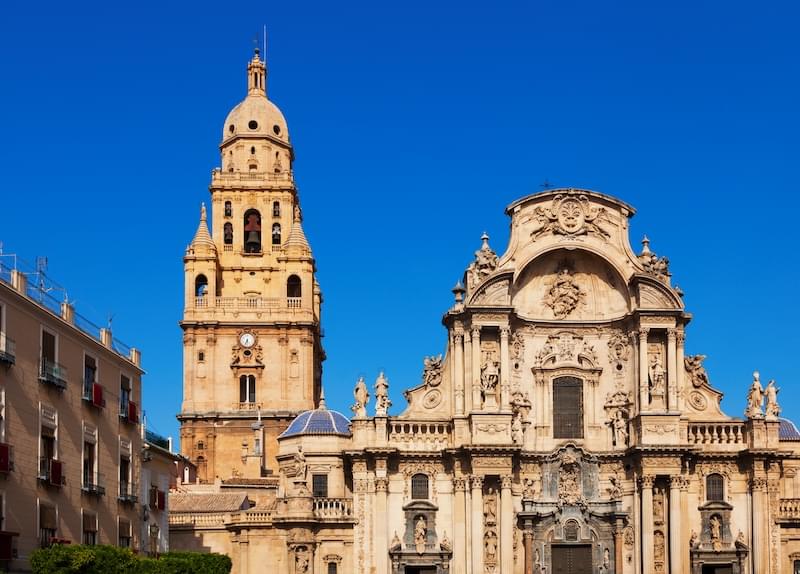
Certain regions of Spain are particularly popular among immigrants. The Costa del Sol, with its large English-speaking community and beach lifestyle, attracts retirees and those seeking English-speaking support. Valencia & Costa Blanca are preferred for its balanced lifestyle, growing expat community, and affordable living. Some popular destinations are Malaga, La Manga Club, Murcia and Alicante. Depending on what you are looking for will determine if it is a match for you.
What are the requirements to obtain a Spanish residency?
To obtain Spanish residency, applicants must meet various requirements, including proof of sufficient financial means, health insurance, and a clean criminal record. Specific requirements may vary depending on the type of visa, such as the non-lucrative visa or the digital nomad visa. Applicants should check the latest regulations to ensure compliance.
How can I apply for a non-lucrative visa in Spain?
To apply for a non-lucrative visa in Spain, you need to gather the required documents, such as proof of income that meets the minimum income requirement, a valid passport, and health insurance. The application process typically involves submitting your documents to the Spanish consulate in your home country or online, depending on the consulate’s procedures.
What is the minimum income requirement for residency in Spain?
The minimum income requirement for residency in Spain varies based on the public multiple effects income indicator (IPREM). As of 2025, the required income is €600 per month for the applicant, with additional amounts needed for family members. It is essential to provide proof of income when applying for a residency visa.
Can I live in Spain without a visa?
No, if you plan to stay in Spain for more than 90 days, you need to obtain a visa. The type of visa you require depends on your purpose, such as work, study, or retirement. Visa holders are granted specific rights and responsibilities while residing in Spain.
What is the process for a Spanish visa application?
The Spanish visa application process involves several steps, including filling out the application form, gathering necessary documents, scheduling an appointment at the consulate, and attending an interview. Processing times can vary, so it’s advisable to apply well in advance of your intended travel date.
How can I obtain a digital nomad visa for Spain?
To obtain a digital nomad visa for Spain, applicants must demonstrate that they can support themselves financially while working remotely. This includes meeting the minimum income requirement and providing proof of employment or business ownership. The application process may involve submitting documents to the Spanish government and waiting for visa approval.
What are the benefits of Spanish citizenship?
Obtaining Spanish citizenship offers numerous benefits, including the right to live and work in Spain and other EU countries without a visa. Citizens also gain access to public services and can participate in elections. The process generally requires residing in Spain for a certain period and demonstrating integration into Spanish society.
What types of residence permits are available in Spain?
Spain offers various types of residence permits, catering to different needs such as work, family reunification, study, and investment. Common permits include the non-lucrative visa, student visa, and entrepreneur visa. Each permit has specific requirements and restrictions that applicants must be aware of.
What is the Spanish immigration process for family members?
The Spanish immigration process for family members involves applying for family reunification, which allows non-EU relatives of Spanish citizens or residents to join them in Spain. Applicants must provide proof of relationship, sufficient financial means, and valid health insurance, among other requirements.


